How to Layer Kids for Cold Weather Hiking: Ages 1 to 12
This post contains affiliate links. As an Amazon Associate we earn from qualifying purchases, at no extra cost to you. Learn more.
Your six-year-old was overheating at the trailhead, and twenty minutes later, at the windy overlook, they’re shivering and asking to go home. Sound familiar? Cold-weather hikes with kids rarely go wrong because of one bad jacket. They go wrong because the clothing can’t adapt as the day changes.
This guide explains how to layer kids for cold weather hiking, age by age, from toddlers riding in a carrier to tweens hiking on their own. It’s research-based: we compared guidance from the American Academy of Pediatrics, REI Expert Advice and manufacturer sizing, so you can dress your kids well without buying a whole new wardrobe every winter.
Quick Answer
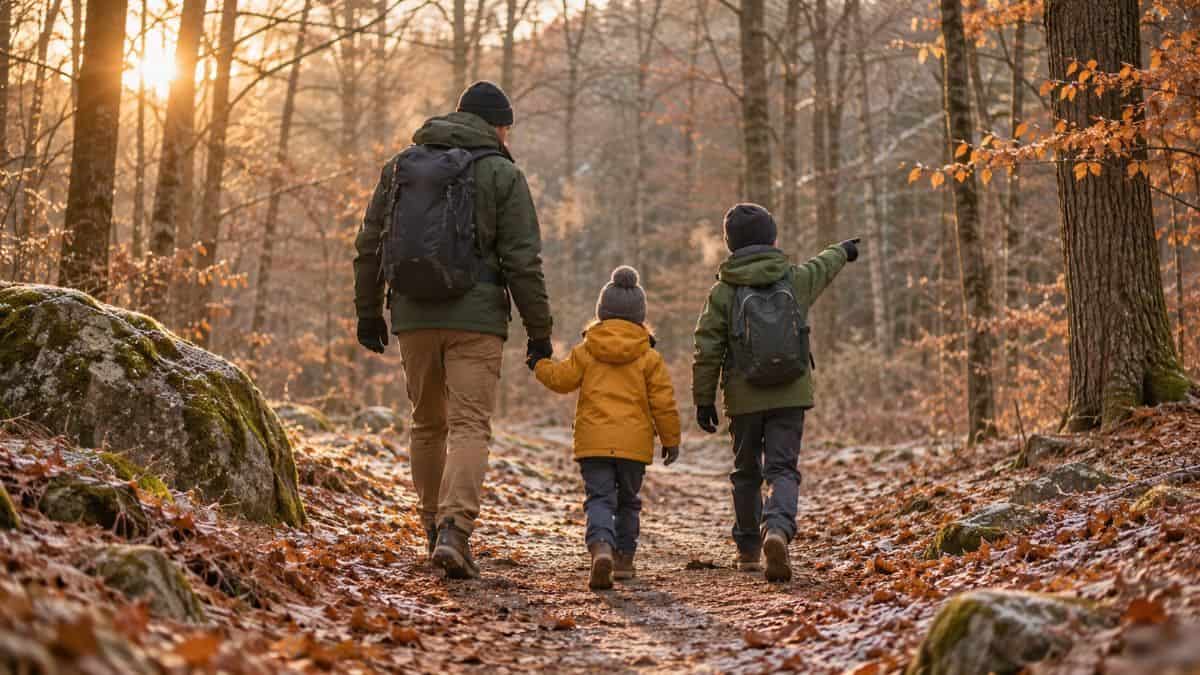
To layer kids for cold weather hiking, use three thin layers instead of one thick coat: a snug synthetic or wool base layer, a warm fleece or insulated middle layer, and a windproof, waterproof outer shell. Add a hat, mittens and warm socks, skip cotton, and plan on one more layer than you’d wear yourself. Then adjust often: take a layer off before your child sweats and put it back on at every stop.
How to Layer Kids for Cold Weather: The Three-Layer System
Layering works because each piece has a different job, and because thin layers trap warm air between them. It also lets you fine-tune warmth on the trail. A single puffy coat is either on or off; three layers give you options.
The American Academy of Pediatrics recommends several thin layers to keep kids warm and dry, plus warm boots, gloves or mittens and a hat. Its rule of thumb for older babies and young children is to dress them in one more layer than an adult would wear in the same conditions (HealthyChildren.org, Cold Weather Safety).
1. Base layer: keeps skin dry
This is the layer against the skin, usually long-underwear top and bottoms. Its job is to move sweat away from the body, because damp skin gets cold fast once your child stops moving. For cold days, REI suggests midweight polyester or wool long underwear. It should fit close to the body but not tight. A loose base layer can’t wick sweat well, so this is the one piece not to buy two sizes up.
2. Middle layer: holds the warmth
The middle layer traps body heat. A fleece jacket is the classic choice for kids: it’s light, stays warm when slightly damp, survives being dragged through the dirt and is easy to wash. On colder days, swap it for (or add) a synthetic or down puffy jacket. Fleece pants over the base layer work well for legs. As a general rule, a thicker or puffier middle layer means more warmth.
3. Outer layer: blocks wind, rain and snow
The shell protects everything underneath. Once wind or water gets into a fleece, it stops keeping your child warm. A waterproof jacket with a hood is the minimum; on wet or snowy days, add waterproof pants or snow pants. REI notes that breathable shells matter for active kids, because plastic slickers and ponchos can trap sweat and leave kids damp from the inside.
What Fabrics Work Best (and Why Cotton Doesn’t)
Fabric matters more than brand. Here’s how the common options compare for cold-weather hiking:
| Fabric | Good for | Trade-off |
|---|---|---|
| Merino wool | Base layers, socks, hats | Soft and stays warm when damp, but pricier and less durable |
| Polyester / synthetics | Base layers, fleece, shells | Affordable and quick-drying, but can hold odors |
| Fleece | Middle layer | Warm and tough, but not windproof on its own |
| Cotton | Short, dry, mild outings only | Absorbs sweat, dries slowly, gets cold when wet |
The cotton rule catches a lot of parents out, because so much kids’ clothing is cotton: jeans, hoodies, sweatpants and many socks. On a cold, active day, a damp cotton layer pulls heat away from the body and stays wet for hours. You don’t need fancy gear to avoid it. Synthetic pajamas or athletic leggings can work as a budget base layer.
Don’t Forget Hands, Feet, Head and Neck
Fingers, toes, ears and noses are where kids get cold first and where frostbite is most likely. A few small items do a lot of the work:
- Hat: a warm beanie that covers the ears. Bring a spare for longer hikes.
- Mittens: warmer than gloves for small kids because fingers share heat. Waterproof mittens are worth it if there’s snow. Mitten clips or leashes save a lot of searching.
- Socks: wool or synthetic, never cotton. Pack a dry pair, because wet feet get cold fast.
- Neck: a neck gaiter instead of a scarf. Some children’s hospitals recommend gaiters because long scarf ends can catch on branches or play equipment.
- Footwear: insulated, waterproof boots with room to wiggle the toes. A boot that’s too tight squeezes out warm air and cuts circulation.
By Age: How to Layer Kids for Cold Weather at Each Stage
The biggest difference between ages isn’t size. It’s whether your child is walking or being carried. A child who’s moving generates heat; a child riding in a carrier sits still while you do the work. REI points out that little ones who don’t move around much can’t generate as much heat, so they generally need one more layer than you do.
| Age | What changes | Layering focus |
|---|---|---|
| Toddlers (1–3) | Often carried; can’t tell you they’re cold | Extra insulation, a one-piece snowsuit or bunting in a carrier, cover hands and feet, check often |
| Preschoolers (3–5) | Walk in short bursts, then ride or rest | Easy-on layers, mittens on clips, a warm layer ready for every stop |
| Kids (6–9) | Hike most of the way, run hot on climbs | Peel layers before they sweat, add them back at breaks |
| Tweens (10–12) | Hike like adults, may resist “extra” clothes | Let them carry their own layers in a small pack |
Toddlers (1–3): the carried child needs the most
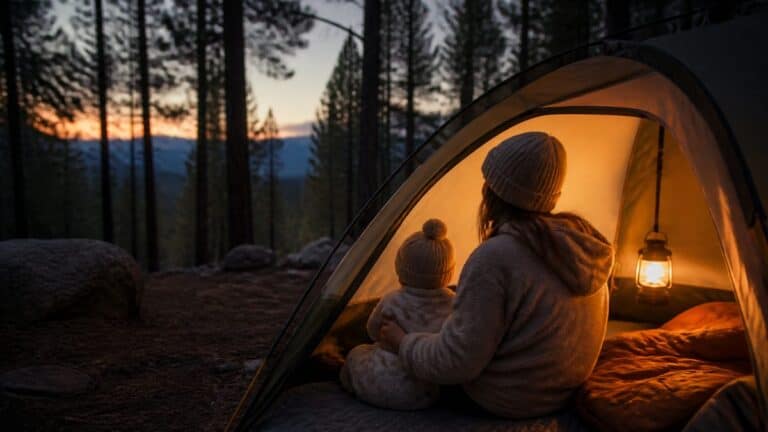
If your toddler rides in a carrier, dress them warmer than a walking child: base layer, fleece, then an insulated snowsuit or bunting, plus a hat, mittens and warm booties or boots. Legs dangle in the wind, so cover ankles and wrists completely. Many carrier makers sell weather covers; check the manual for what’s compatible with your model. Toddlers often can’t explain that they’re cold, so check them often, at the very least at every stop.
Preschoolers (3–5): stop-and-go hikers
Preschoolers sprint, stop, explore a puddle and then want to be carried. Their warmth swings with it. Choose layers they can’t easily lose (clip the mittens to the sleeves) and keep a fleece or puffy jacket at the top of your pack. Put it on at every snack break, before they start to feel cold.
Kids (6–9) and tweens (10–12): manage the sweat
Older kids walking on their own generate plenty of heat on uphill sections. The problem shifts from staying warm to staying dry. Start the hike feeling slightly cool, take off the middle layer before your child starts sweating and put it back on at breaks and summits. Many tweens can carry their own layers in a small daypack, which also helps them learn to manage their own comfort.
How Do You Know If Your Child Is Too Cold on the Trail?
Check skin, not words. Feel the back of your child’s neck or their chest under the collar: warm and dry is good, sweaty means too many layers, and cool means add one. Cold hands alone aren’t a red flag, but pale or numb fingers are.
Watch for behavior changes too. A child who suddenly gets quiet, clumsy or unusually cranky may be getting cold. The AAP notes that as hypothermia sets in, a child may shiver and become lethargic and clumsy, and speech may slur. Kids having fun often won’t stop on their own, so build in regular warm-up breaks rather than waiting for complaints.
Our Picks: Two Layers Worth Owning
You don’t need a full technical wardrobe. These two pieces cover the middle and outer layers for most family day hikes. We chose them based on fabric, size range and patterns in verified owner reviews.
Middle layer: Columbia Steens Mt II Fleece
The Columbia Steens Mt II Fleece is a simple full-zip fleece that comes in baby, toddler and youth sizes, so the same jacket can follow a family for years. Who it’s for: almost any child who needs a warm, washable middle layer. What it does well: it’s light, easy to zip on and off and works under any shell. Main drawback: like all fleece, wind cuts right through it, so it needs a shell on its own in breezy weather.
Outer layer: Columbia Youth Glennaker Rain Jacket
The Columbia Youth Glennaker Rain Jacket is a lightweight, hooded waterproof nylon shell, offered in toddler sizes (2T–4T) up to youth XL. Who it’s for: families who want an affordable shell to wear over a fleece. What it does well: it blocks wind and rain and packs small. Main drawback: it’s a basic rain shell, not a highly breathable one, so open the zipper on long climbs to let sweat escape.
For the base layer, any snug polyester or merino long-underwear set without cotton will do. Check the fabric label before you buy, since some “thermal” sets for kids are cotton blends.
Saving Money on Layers Kids Outgrow
- Size up the outer layers only. A half or full size up on a fleece or shell can buy an extra season. Keep the base layer close-fitting.
- Use what you already own. Synthetic pajamas or sports leggings can double as a base layer.
- Buy used. Outdoor clothing is built to last, so hand-me-downs, consignment shops and resale sites are full of barely worn kids’ fleece and shells.
- Spend where it counts. If the budget only stretches to one quality item, make it the waterproof outer layer and warm boots.
Safety Notes
- Check the wind chill. The AAP advises avoiding outdoor play in temperatures or wind chills below -15°F, when exposed skin can begin to freeze within minutes.
- Change wet clothes right away. Wet layers draw heat from the body. Always pack a dry base layer and socks.
- Know the signs. Frostbite usually affects fingers, toes, ears and noses, which may turn pale or gray and feel burning or numb. If you suspect it, get indoors, warm the area gently and don’t rub it. If pain or numbness lasts more than a few minutes, call your pediatrician. Signs of hypothermia, such as shivering, clumsiness, sleepiness or slurred speech, are a medical emergency: call 911.
- Car seats need thin layers. On the drive to the trailhead, the AAP recommends thin, snug layers instead of bulky coats or snowsuits under the harness. Add the puffy layers at the trailhead.
- Avoid drawstrings and long scarves. CPSC guidelines warn against drawstrings at the hood and neck of children’s outerwear because of strangulation risk. Choose gaiters over scarves.
Safety note: This article is for general information only. Always follow the manufacturer’s instructions, weight limits and age guidance for any gear, and talk to your pediatrician about your child’s specific health needs.
Frequently Asked Questions
How many layers should a child wear for winter hiking?
Most kids do well with three: a base layer, a middle layer and a waterproof shell. On very cold days, add a second middle layer, such as a puffy jacket over a fleece. The AAP’s rule of thumb is one more layer than an adult would wear in the same conditions, especially for younger children and kids riding in a carrier.
Is merino wool worth it for kids’ base layers?
Merino is soft, stays warm when damp and resists odors, which makes it great for multi-day trips. It’s also expensive and kids outgrow it quickly. For most day hikes, a polyester base layer works well and costs much less. If you buy one merino item, socks or a hat give you the most benefit for the money.
Can kids wear a regular winter coat for hiking?
Yes, for short, easy walks. The problem on longer hikes is that a thick coat is all or nothing: kids sweat in it on climbs, then get chilled when they take it off. If a winter coat is what you have, wear a synthetic base layer under it and bring a lighter fleece so your child has options.
Should a baby in a carrier wear a snowsuit?
Often, yes, because a carried child isn’t moving and loses heat faster than you do. Make sure the snowsuit still lets the carrier’s straps and harness fit correctly, as described in the carrier’s manual. Check your baby’s neck and chest often, and talk to your pediatrician before taking a young baby out in very cold weather.
What should kids wear on their legs for cold weather hikes?
Use the same three-layer idea: long-underwear bottoms, fleece pants or synthetic hiking pants, and waterproof rain pants or snow pants on top when it’s wet or snowy. Avoid jeans and sweatpants, which are usually cotton and stay cold once they get wet.
Final Thoughts
Keeping kids warm on a cold hike comes down to three thin layers, no cotton, covered extremities and a habit of adjusting before anyone gets sweaty or chilled. You don’t need expensive gear: a snug base layer, a fleece and a waterproof shell will handle most family day hikes, and a carried toddler simply needs one more warm layer. Start with short trails close to the car, check skin often and turn back while everyone is still having fun. If you’re new to family hiking, our Start Here page is a good next stop.